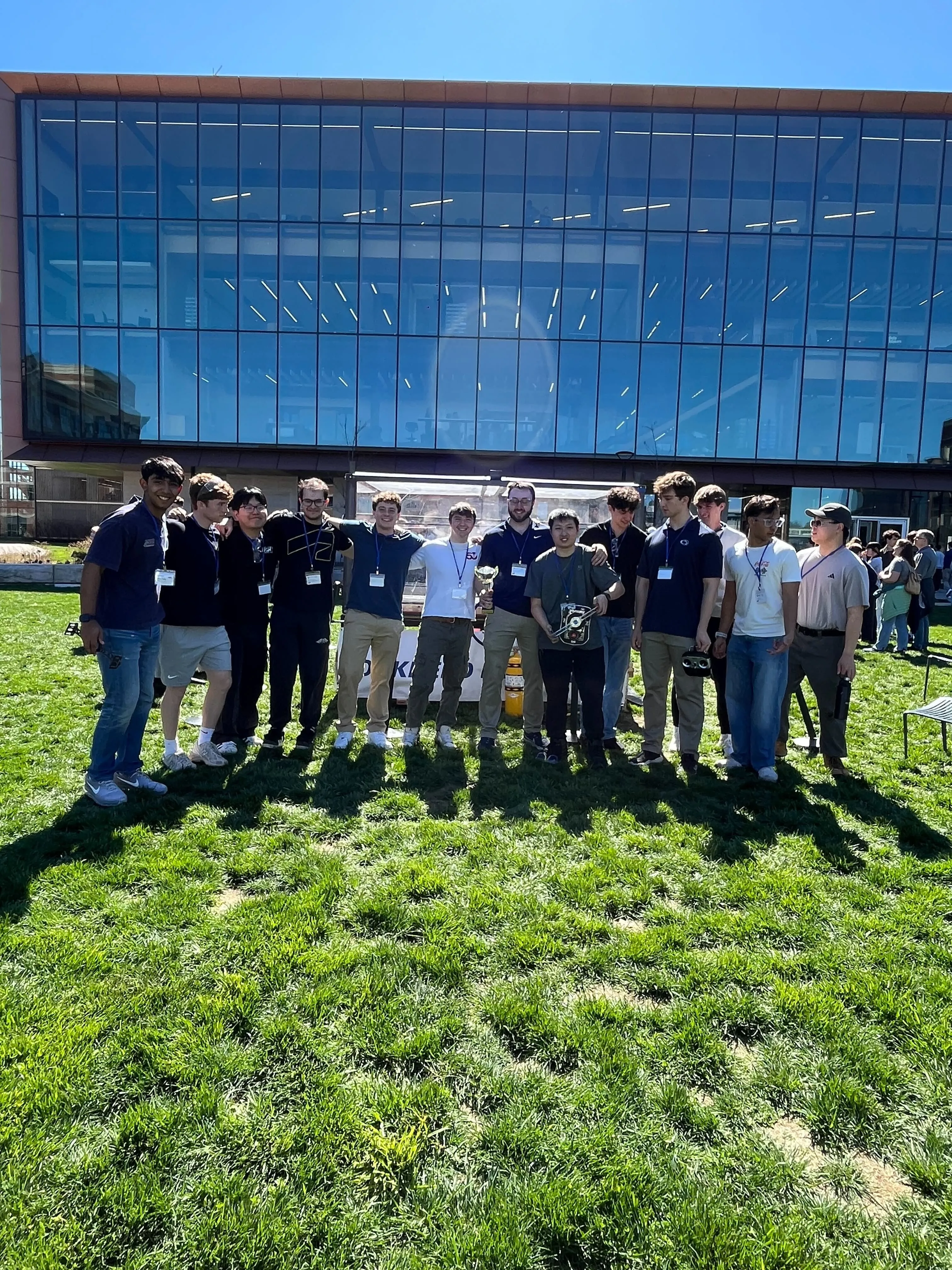
Overview
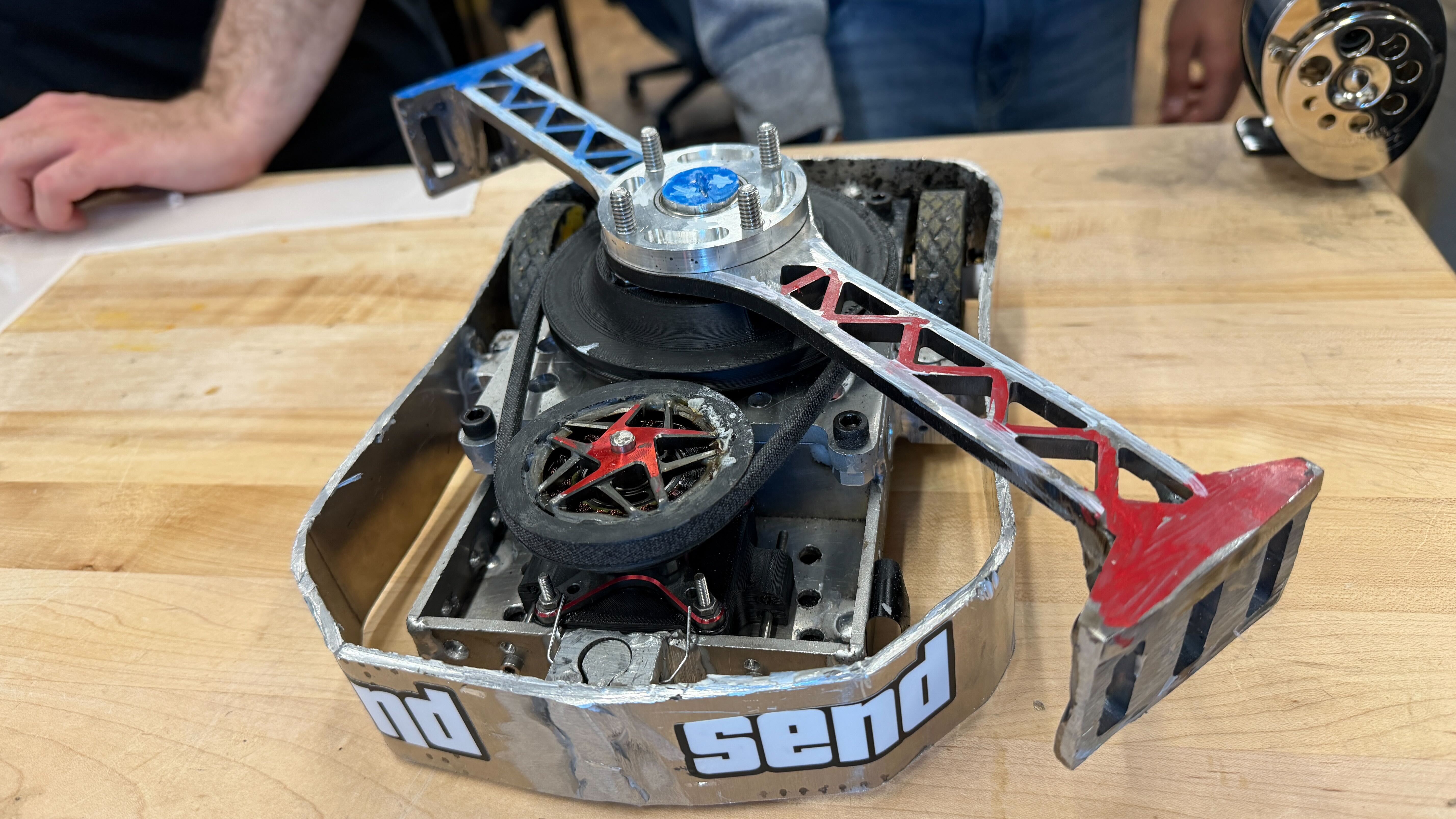
CTRL ALT DEFEAT was a 6-pound combat robot built around a horizontal overhead spinner, and it took 2nd out of 17 teams at ASME Combat Robotics 2026. The two biggest constraints were the bot budget of $500 and the weapon energy limit of 500J. These shaped the way the bot was designed and manufactured.
The Design
At six pounds, the main challenge was deciding where to put the weight to optimize offense and defense. It is similar to the rocket fuel problem: more fuel to go farther, but the added fuel makes the rocket heavier, so you burn more, which negates the fuel you added.
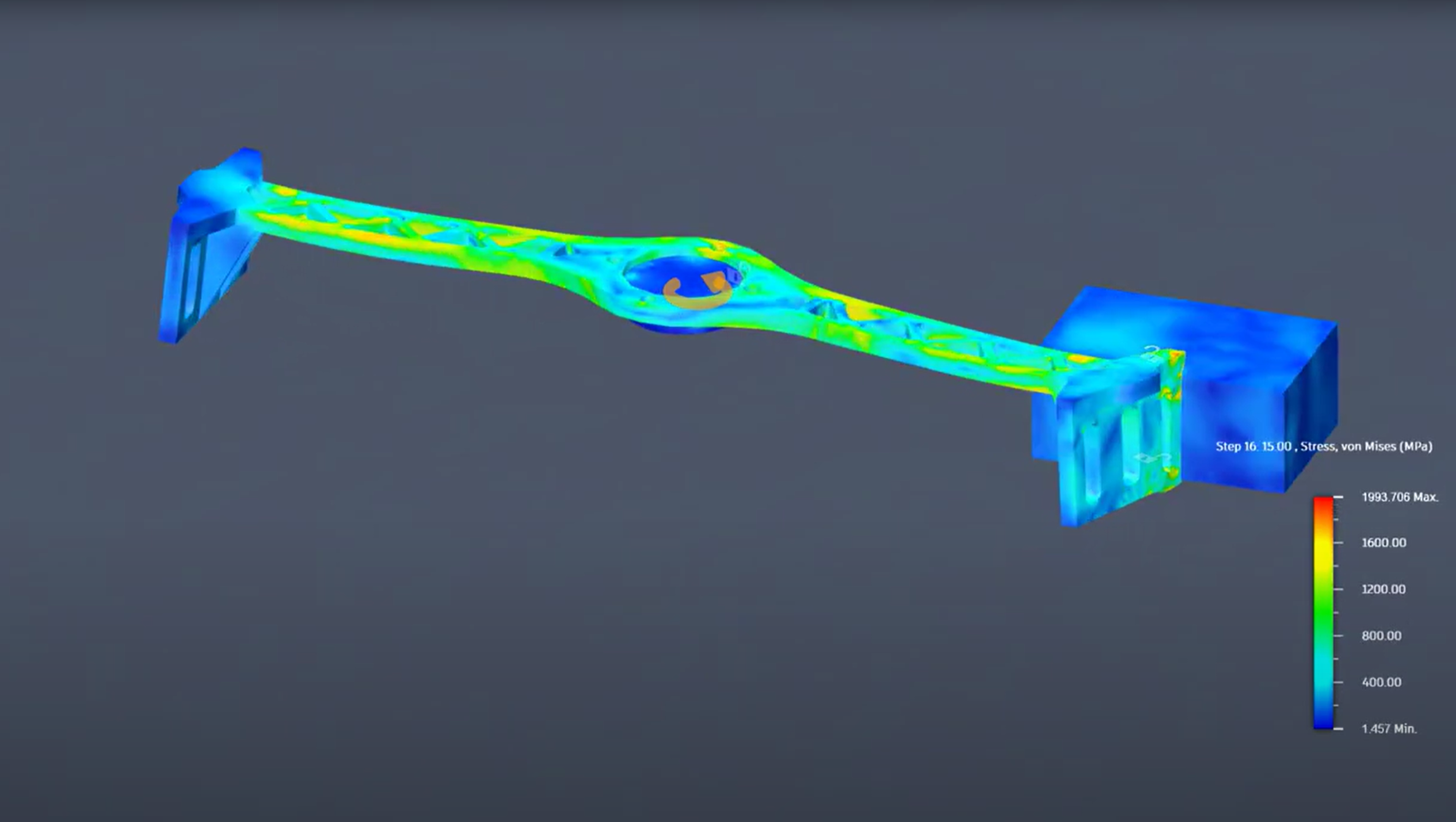
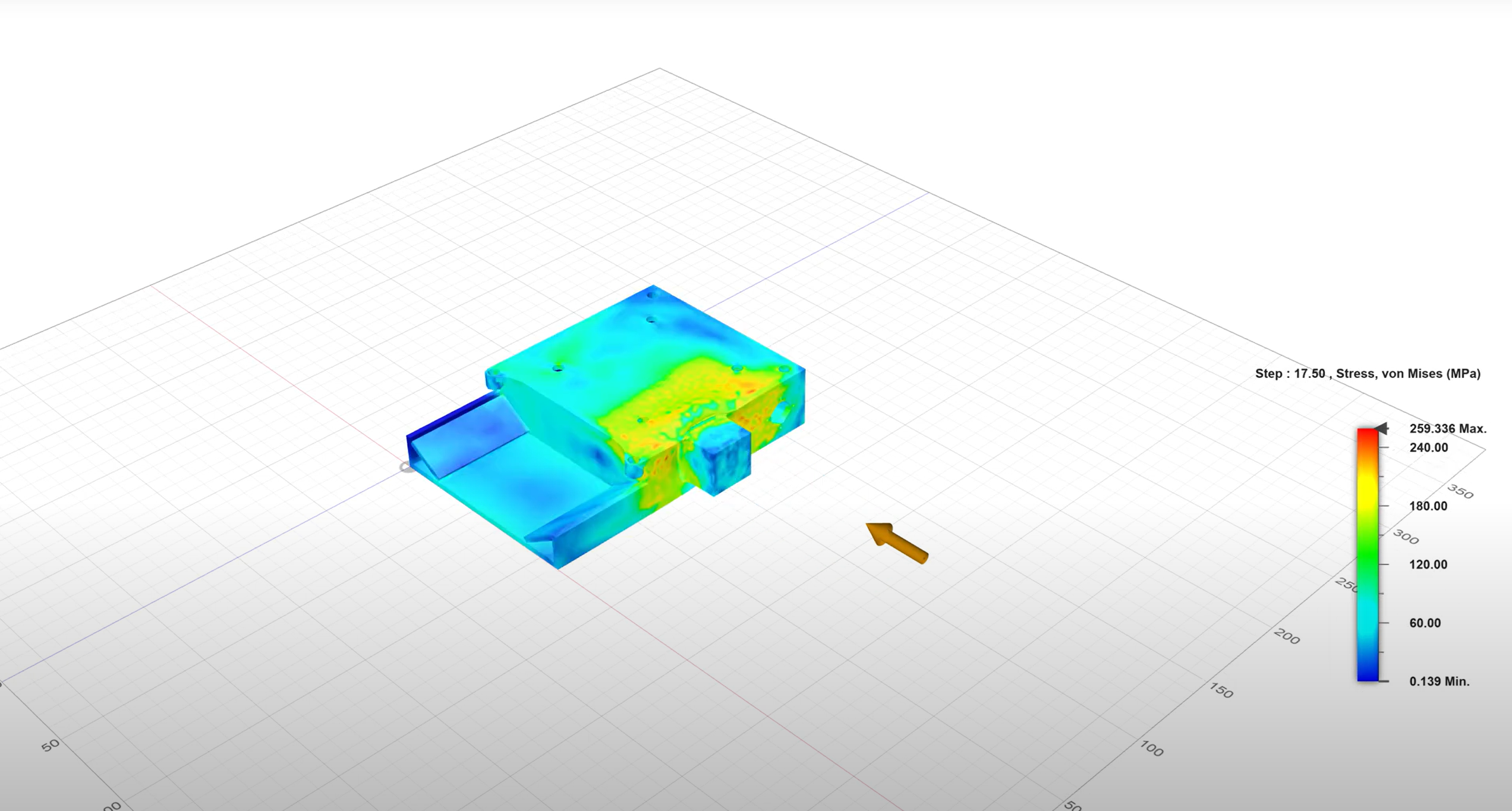
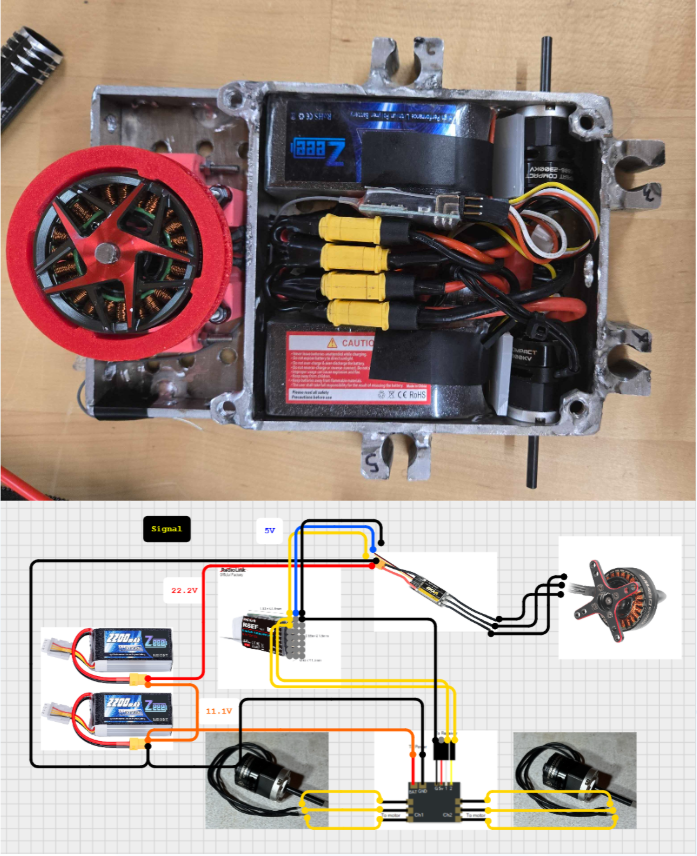
We started with the electronics, keeping those as light as possible. We spent the majority of our budget on electronics, but ours were some of the lightest in the field. Knowing we were going to build an overhead spinner, we wanted to keep the chassis as small as possible. The farther out our weapon had to reach, the more weight and stress it added. After designing the smallest chassis we could, and the closest-fitting armor we could, the weapons sublead ran FEA on the weapon and the mounting assembly to find the minimum weight the weapon needed to survive. My job was reviewing those results and teaching members how to read them. That mattered more than it sounds: at one point a member told me a part had passed, and when I looked at the plot the peak stress was five times what the material could take. Once we knew the minimum weight, we were able to choose material thicknesses for the armor and chassis.
The armor was made to be quick-swapped between matches as needed. From our weapon FEA, we knew that if anything hit our armor at 500J it would go right through. The plan was to use the weapon as a sort of primary defense, since it was a chunk of spinning AR500 steel, and use the armor as a secondary line of defense. The chassis was made of the same alloy and thickness as the armor. It was our third and final layer of defense.
Hitting the Energy Cap
The rules capped weapon kinetic energy at 500 joules. Based on our math, our motor would spin the weapon up to just over 3000J, which is 6 times the limit. Energy was calculated using the equation KE = ½Iω². To get the moment of inertia, I built the weapon geometry in Fusion and assigned it a custom material with AR500’s density, since AR500 was not a selectable material. Fusion then calculated the moment of inertia from that geometry and density.
The target landed at 3,000 RPM, which puts the weapon at 486 joules: under the cap with about 14 joules of headroom, close enough to be using nearly the full allowance. The belt drive runs a 1.68:1 pulley ratio, trading some top speed for faster angular acceleration and torque, with peak weapon torque coming out near 1.6 ft·lbf, while shifting mass outward toward the rim where it does the most for impact. On a 3-millisecond collision against an aluminum target, it delivers a peak force around 962 lbf.
Build Quality
One of the largest challenges was manufacturing. Nobody on the team had CNC experience, and very few had manual or sheet metal experience. We knew the machines’ limits, so we outsourced the weapon to be waterjet cut. The rest of the bot was aluminum, so it was much easier to machine. We managed to hold 0.005 inches of tolerance on all the parts. Since we were making one-offs and pairs, we were able to adjust the new parts off the existing ones to prevent tolerance stack-up problems.
Leading 31 People
Thirty-one people is too many to do anything hands-on yourself. I split the team across four subsystems, weapons, chassis, armor, and electronics, and handed each one to a sublead who owned their CAD and their decisions. My job was the architecture: the calls that crossed subsystem lines, like the weight budget and the energy derate, and keeping four parallel design tracks from contradicting each other. I ran a design review every week during the meetings. Most of the actual modeling I delegated.
Pre-Comp Documentation
Before we started building the arena and the bots, we had to get the project approved by Penn State. Penn State does not let students use their facilities for weapons or high-liability items. Unfortunately, BattleBots was both. Throughout the fall of 2025 and the spring of 2026, two others and I wrote the safety and rules documents. These documents outlined the plan for the competition and the safety measures, referenced polycarbonate impact studies, and more. I also wrote guides for understanding electronics and gave a baseline of what to look for. In total, these documents were close to 40 pages of material.
Result and What I’d Change
Finishing 2nd out of 17 was a great result, and we were the first ASME team, only losing to IEEE. We had prepared our bot to take a massive beating and to hot-swap parts if needed. We ended up not needing any of the backups for armor, chassis, or weapons. Knowing that now would let us spend more money on the electronics. Our weapon motor overheated in the later matches, so we couldn’t spin at full speed, and we didn’t have a spare.
From the leadership side, I learned a lot about what engages and motivates people. Talking with members who started the project and then dropped out gave me insight into how to be a better leader. Our biggest struggle as a team was procrastination and taking too long to make decisions. I now have a better understanding of how to keep people from procrastinating.